Home / Buying guides / Diesel, petrol or hybrid: choosing on how you drive
Diesel, petrol or hybrid: choosing on how you drive
The choice is decided by journey pattern rather than by fuel prices. Particulate filters need long runs, hybrids reward stop-start driving, and the emissions standard decides the zone charges.
The useful question is not which fuel is better. It is which one suits the journeys you actually make, because the failure modes of each are driven by use rather than by design.
Diesel: built for distance
A diesel makes sense when the mileage is high and the journeys are long. The reason is the diesel particulate filter, fitted to all diesel cars since the Euro 5 standard came in around 2013 and to many before that.
The filter traps soot and periodically burns it off in a regeneration cycle, which needs the exhaust hot enough for long enough. A car used for short cold journeys never completes one. Soot accumulates, and — worse — the extra fuel injected to raise the exhaust temperature ends up in the sump, thinning the engine oil. On several modern engines that oil dilution is the mechanism behind early timing-chain wear.
Two hard rules follow.
A filter that was fitted when the vehicle was built and is missing at test time is an MOT failure. The check has been part of the exhaust inspection since 2014. A filter that has clearly been cut open and re-welded is to be rejected unless there is a documented reason, such as professional cleaning.
Removing one is not a modification, it is an offence. Using a vehicle modified so that it no longer complies with the air pollutant emissions standards it was designed to meet contravenes the construction and use regulations, with fines attached. A vehicle can still pass the visible smoke test — which mainly catches vehicles in very poor repair — while emitting illegal levels of fine particulate.
If a seller volunteers that the filter has been “removed and remapped”, that is the end of the conversation.
Petrol: better for short journeys and cheaper to comply
A petrol car has no regeneration cycle to interrupt, and the emissions bar it must clear for the London ULEZ is Euro 4 rather than Euro 6 — a standard almost any modern petrol car meets. That combination makes petrol the straightforward choice for urban and short-journey use, which is exactly the pattern that damages a diesel.
Modern turbocharged direct-injection petrol engines have their own weaknesses: cooling-system condition and oil-change discipline matter more than they did on older naturally aspirated units, and some are known for oil consumption.
Full hybrids: for stop-start driving
A full hybrid — the self-charging kind, with no plug — pairs a petrol engine with electric motors and recovers energy under braking. That makes it strongest in exactly the conditions that suit a petrol car least: traffic, low speeds, frequent stops.
The used-car checks are different. There is no cambelt question and no particulate-filter question, but there is a traction battery with its own manufacturer warranty, and on some marques that warranty can be extended by an annual health check at a franchised dealer. Where that is the case, the service record is the warranty.
Plug-in hybrids: only if you will plug it in
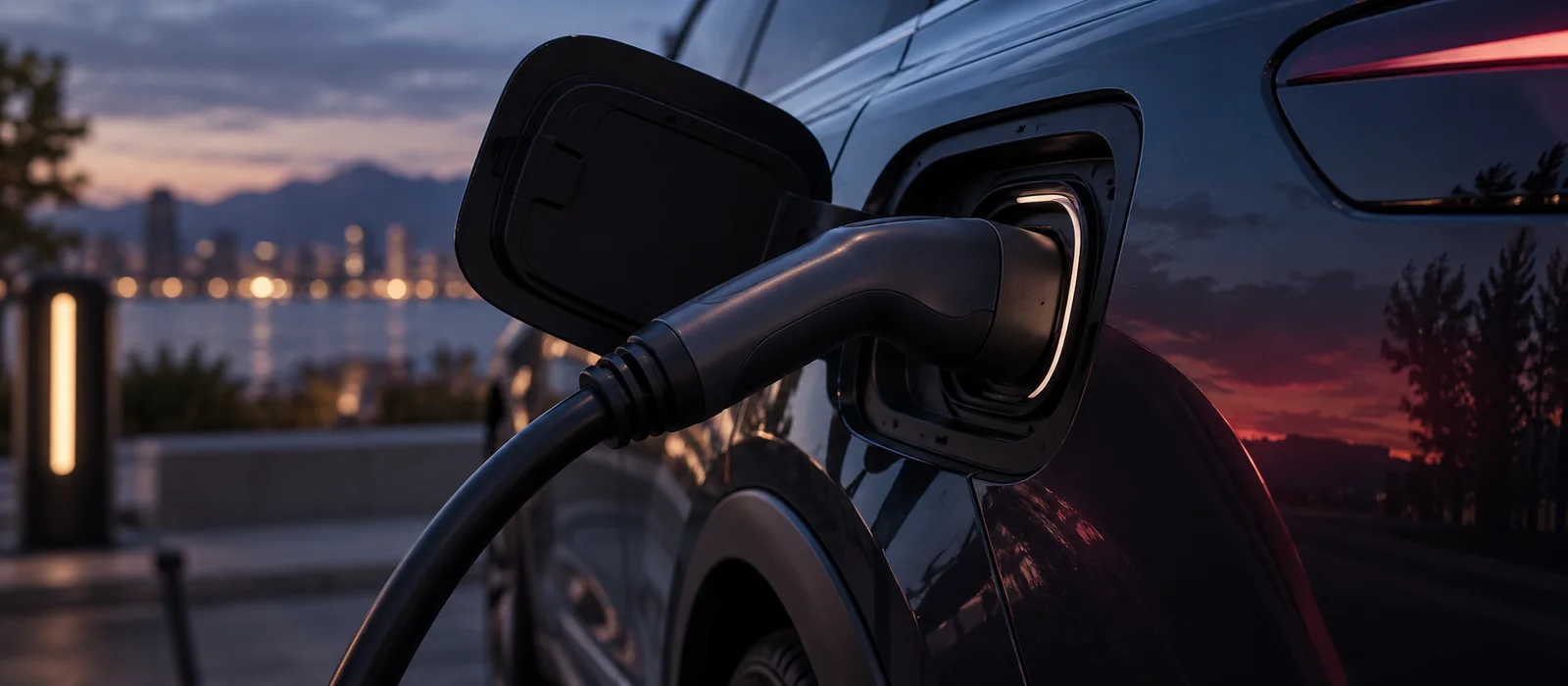
A plug-in hybrid carries a larger battery charged from the mains and will run on electricity alone for a limited range. Used as intended, it does the urban work electrically and the long runs on petrol. Not plugged in, it is a heavier petrol car carrying a battery it never uses.
When buying one, establish how it was actually used: ask about charging, look for the cables, check the charge port works, and confirm on the drive that it will run on electric power alone and switch between modes without hesitation.
The costs that follow the choice
- Emissions charges follow the fuel and the Euro standard. See Euro standards, the ULEZ and clean air zones.
- Vehicle tax follows CO2 and the first registration date, not the fuel label. See vehicle tax.
- Servicing differs in kind rather than in amount: diesels have filters and additive systems, hybrids have battery health checks, petrol engines have neither.